

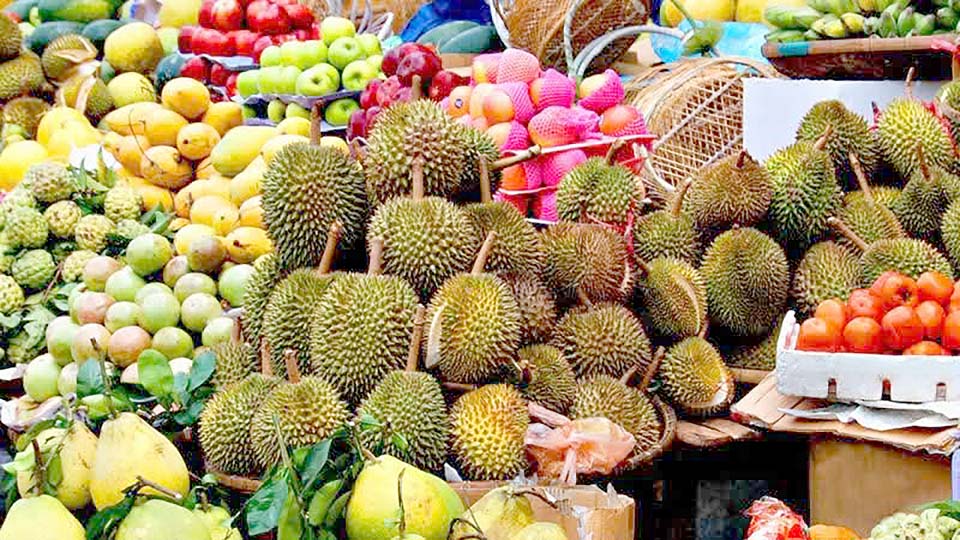
Thailand exports fruit to markets across Asia, Europe, and the Middle East, but buyers rarely choose a supplier based on origin alone. When sourcing fresh fruits Thailand, international importers are focused on consistency, communication, and operational reliability. Product quality matters, but it is only one part of the evaluation process.
Importers typically operate within structured retail or distribution systems. They plan promotions months in advance, schedule cold storage capacity, and coordinate onward transport before goods even leave the port of origin. Because of this, they expect suppliers to provide more than availability. They expect predictability.
Clear communication often determines whether an initial trial order becomes a long-term relationship. Buyers want accurate forecasts, realistic timelines, and honest updates when conditions change. Agricultural supply is influenced by weather and seasonality, but transparency builds trust.
Clear Product Specifications
One of the first things buyers look for is defined grading. Fruit size, weight range, ripeness level, and external appearance should match agreed standards. Mixed grading within the same shipment complicates distribution and can create unnecessary sorting costs at destination.
Suppliers who document specifications clearly reduce confusion. This includes written grade definitions and sample confirmations before bulk loading. Consistency from shipment to shipment makes planning easier for importers and strengthens repeat orders.
Beyond grading, packaging must also match buyer expectations. Carton size, labeling, and pallet configuration affect storage and resale efficiency. Small differences can have operational consequences in warehouse environments.
Operational Discipline
International buyers generally expect suppliers to demonstrate structured export procedures. This includes preparation before shipment and follow-through after departure. In practice, buyers tend to evaluate four areas closely
- Accurate shipment volume matching the purchase order
- Complete export and phytosanitary documentation
- Appropriate temperature control during transit
- Clear communication if delays occur
When these elements are handled reliably, importers can manage risk more effectively. Disruptions in any of these areas may impact retail schedules or production lines.
Long-Term Reliability
Many buyers are less concerned with one exceptional shipment and more concerned with steady performance across multiple orders. Consistency in supply volume is especially important. Sudden shortages or unexplained quality shifts can disrupt downstream operations.
Suppliers who coordinate harvest cycles carefully and maintain strong farm relationships are better positioned to provide stability. Open forecasting allows buyers to adjust purchase plans early rather than react to unexpected changes.
In international fruit trade, expectations are practical rather than promotional. Buyers are looking for suppliers who combine consistent grading, reliable logistics, and clear communication. When those elements are in place, sourcing from Thailand becomes a predictable business process rather than a seasonal uncertainty.