

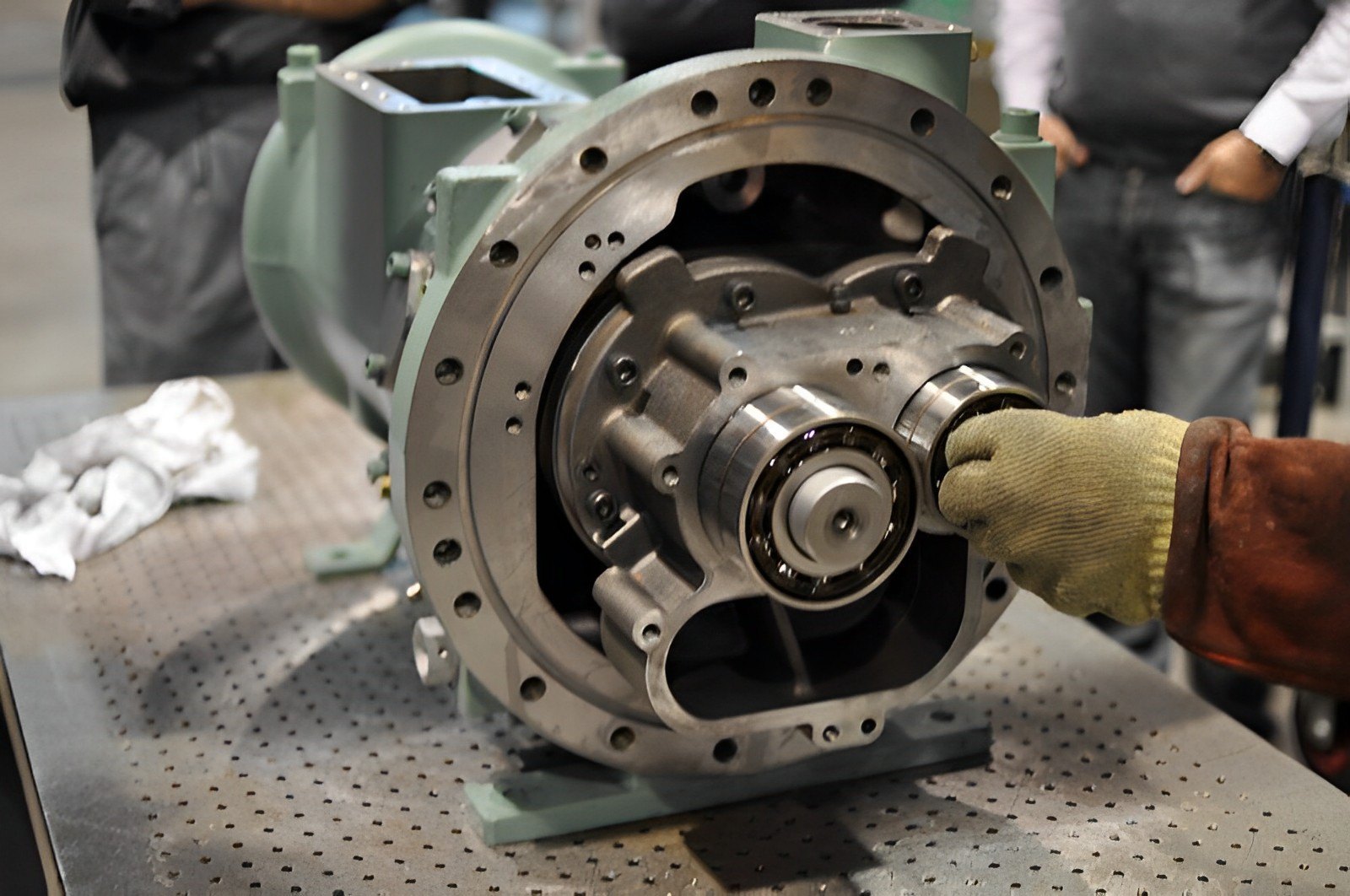
Introduction
Air compressors are essential for countless industrial and commercial operations. From manufacturing facilities and automotive workshops to construction sites and processing plants, compressed air systems support daily productivity and operational efficiency. However, like all mechanical equipment, air compressors require proper care to maintain performance and reliability.
Many business owners and facility managers often confuse air compressor maintenance with air compressor repair. While both are important for equipment performance, they serve very different purposes. Understanding the distinction between maintenance and repair can help organizations reduce costs, prevent downtime, and extend the lifespan of their compressed air systems.
Professional air compressor servicing Birmingham providers help businesses maintain efficient and reliable equipment performance. Regular maintenance reduces the risk of unexpected failures and costly downtime. Expert technicians ensure systems operate at peak efficiency, supporting productivity and extending the lifespan of valuable industrial assets.
This article explains the differences between air compressor repair and maintenance, their benefits, and why a preventive approach is often the most cost-effective solution.
What Is Air Compressor Maintenance?
Air compressor maintenance refers to routine inspections, servicing, and preventive procedures performed to keep the equipment operating efficiently.
The primary goal of maintenance is to prevent problems before they occur.
Common Maintenance Activities
Regular maintenance typically includes:
- Replacing air filters
- Changing oil and lubricants
- Inspecting belts and hoses
- Cleaning cooling systems
- Draining moisture from tanks
- Checking pressure settings
- Monitoring electrical connections
These tasks help ensure smooth and efficient compressor operation.
Importance of Preventive Maintenance
Preventive maintenance allows technicians to identify potential issues early and correct them before they become major failures.
Benefits include:
- Improved efficiency
- Reduced energy consumption
- Extended equipment lifespan
- Lower operating costs
- Increased reliability
Routine maintenance is a proactive investment in equipment health.
What Is Air Compressor Repair?
Air compressor repair involves correcting faults or replacing damaged components after a problem has already occurred.
Unlike maintenance, repair is reactive rather than preventive.
Common Repair Situations
Air compressor repairs may be necessary due to:
- Motor failure
- Air leaks
- Broken valves
- Worn bearings
- Electrical faults
- Damaged air ends
- Pressure control issues
Repairs restore the compressor to working condition after a malfunction.
Emergency Repairs
In some cases, compressor failures occur unexpectedly and require immediate attention.
Emergency repairs are often more expensive because they may involve:
- Urgent technician visits
- Production downtime
- Expedited replacement parts
- Temporary operational disruptions
This is why preventive maintenance is generally preferred whenever possible.
The Cost Difference Between Maintenance and Repair
One of the biggest differences between maintenance and repair is cost.
Maintenance Costs
Scheduled maintenance involves predictable expenses that can be planned within operational budgets.
These costs are usually associated with:
- Service inspections
- Replacement filters
- Lubricants
- Minor adjustments
- Routine labor
Maintenance costs are generally lower because issues are addressed before significant damage occurs.
Repair Costs
Repairs can become expensive, especially when major components fail.
Repair expenses may include:
- Replacement parts
- Emergency service charges
- Extended downtime
- Additional labor
- Lost productivity
Ignoring maintenance often leads to higher repair costs over time.
Impact on Equipment Lifespan
Maintenance and repair affect equipment lifespan differently.
How Maintenance Extends Lifespan
Regular servicing reduces wear on critical components and helps compressors operate under optimal conditions.
Maintenance helps:
- Prevent overheating
- Minimize friction
- Reduce contamination
- Improve airflow
- Protect internal parts
As a result, compressors often last significantly longer.
How Frequent Repairs Affect Equipment
A compressor that repeatedly requires repairs may experience ongoing performance issues and shortened service life.
Repeated failures can place additional stress on the system and increase the likelihood of future breakdowns.
Downtime Considerations
Downtime is a major concern for businesses that rely on compressed air systems.
Maintenance Minimizes Downtime
Scheduled maintenance can be performed during planned service windows, reducing disruption to operations.
Advantages include:
- Better production planning
- Reduced operational interruptions
- Improved equipment availability
Preventive maintenance supports consistent productivity.
Repairs Often Cause Unexpected Downtime
When a compressor fails unexpectedly, production may stop until repairs are completed.
Unexpected downtime can result in:
- Delayed orders
- Reduced output
- Customer dissatisfaction
- Financial losses
Avoiding emergency repairs helps protect business operations.
Energy Efficiency Benefits
Energy efficiency is another area where maintenance and repair differ.
Maintenance Improves Efficiency
Routine servicing ensures the compressor operates at peak performance.
Technicians can:
- Replace clogged filters
- Repair small leaks
- Adjust pressure settings
- Optimize system performance
These actions help reduce energy consumption.
Delayed Repairs Increase Energy Waste
Damaged or malfunctioning components often force compressors to work harder.
This can result in:
- Higher electricity bills
- Reduced efficiency
- Increased operating costs
Addressing issues promptly helps maintain energy efficiency.
Common Signs That Maintenance Is Needed
Businesses should watch for indicators that routine service is required.
These signs include:
- Increased operating temperatures
- Unusual noises
- Reduced airflow
- Higher energy usage
- Dirty filters
- Excessive vibration
Scheduling maintenance when these symptoms appear can prevent larger problems.
Common Signs That Repairs Are Needed
Certain warning signs indicate that immediate repair may be necessary.
These include:
- Complete system shutdown
- Significant air leaks
- Motor failure
- Electrical malfunctions
- Severe pressure fluctuations
- Smoke or burning odors
Professional technicians should address these issues as quickly as possible.
The Role of Professional Service Providers
Experienced air compressor service providers offer both maintenance and repair solutions.
Maintenance Programs
Professional maintenance programs often include:
- Scheduled inspections
- Performance evaluations
- Filter replacements
- Lubrication services
- System optimization
These services help prevent future breakdowns.
Repair Services
Repair specialists diagnose equipment problems and replace faulty components when necessary.
Professional repair services ensure:
- Accurate troubleshooting
- Safe repairs
- Quality replacement parts
- Reliable system restoration
Working with qualified technicians improves overall equipment performance.
Why Prevention Is Better Than Repair
Many businesses focus on repairs only after problems occur. However, a preventive approach offers significant advantages.
Preventive maintenance helps:
- Reduce emergency repairs
- Lower maintenance costs
- Improve equipment reliability
- Extend compressor lifespan
- Increase operational efficiency
Organizations that prioritize maintenance often experience fewer disruptions and better long-term results.
Creating a Maintenance Schedule
A structured maintenance plan is essential for compressor reliability.
A typical maintenance schedule may include:
Daily Tasks
- Check pressure levels
- Inspect for leaks
- Monitor temperatures
Weekly Tasks
- Clean external surfaces
- Inspect filters
- Check belts and hoses
Monthly Tasks
- Test safety systems
- Review performance data
- Verify lubrication levels
Annual Service
- Comprehensive inspection
- Component replacement
- Performance testing
- System optimization
Following a consistent schedule reduces the need for major repairs.
Conclusion
Understanding the difference between air compressor repair and maintenance is essential for maximizing equipment performance and controlling operating costs. Maintenance focuses on preventing problems before they occur, while repairs address issues after equipment failure has already happened.
Although both services are necessary, preventive maintenance is generally more cost-effective and beneficial in the long term. By investing in routine air compressor service, businesses can improve reliability, reduce downtime, enhance energy efficiency, and extend the lifespan of their compressed air systems. A proactive maintenance strategy ultimately helps organizations achieve better productivity and greater return on investment.