

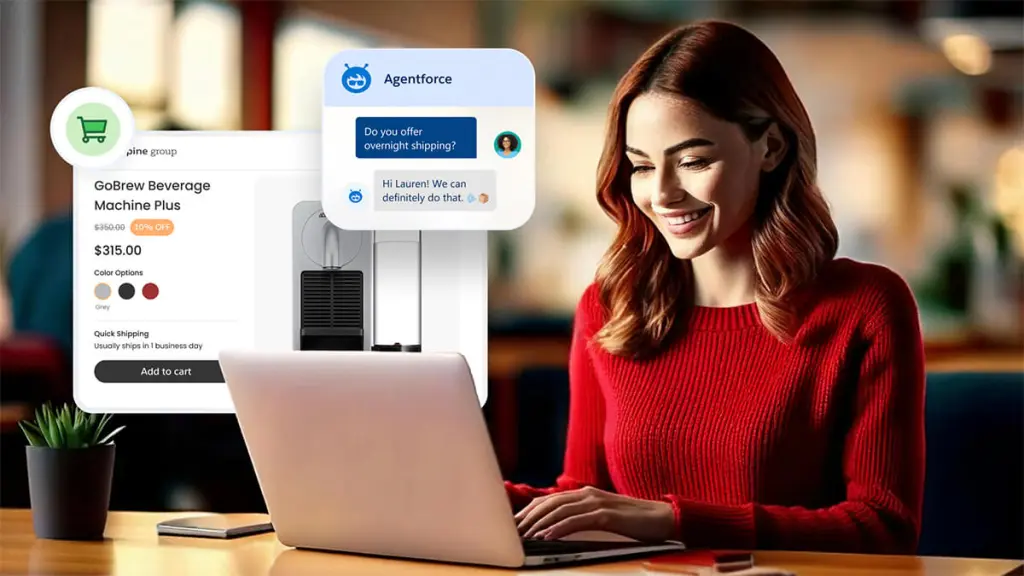
The digital marketplace is crowded, and competing solely on price or product selection is no longer a sustainable strategy. Today, the most reliable differentiator for online brands is the customer experience. A seamless, positive journey converts casual browsers into loyal advocates, while a single point of friction can send a shopper straight to a competitor.
Building a great e-commerce experience requires optimization at every touchpoint. From the initial homepage visit to the post-purchase delivery, every interaction must feel intuitive, efficient, and personalized. Here are the essential strategies to elevate your e-commerce customer experience and drive long-term business growth.
Optimize Website Speed and Mobile Performance
A slow website is the fastest way to lose a customer. Most online shoppers expect a page to load in under two seconds. If your site drags, users will bounce before they even see your inventory.
Furthermore, mobile commerce accounts for a massive share of online retail sales. Your website must be designed with a mobile-first mindset.
-
Compress all image files to ensure high-quality visuals do not compromise loading times.
-
Streamline the mobile interface by using thumb-friendly buttons and collapsible menus that prevent screen clutter.
-
Minimize heavy scripts and plugins that drag down server response times.
Simplify the Navigation and Search Experience
If customers cannot find a product, they cannot buy it. Your website layout should be intuitive enough that a first-time visitor can navigate your catalog without confusion.
Implement a robust internal search engine equipped with autocomplete functionality and error tolerance for typos. Use clear, descriptive categories for your main menu. Incorporate dynamic filtering options so users can sort products by size, color, price, material, and availability. The goal is to minimize the number of clicks required to move from the homepage to a specific product page.
Provide Detailed and Transparent Product Pages
Online shopping lacks the tactile reassurance of physical retail. Customers cannot touch, feel, or try on your products before purchasing. Your product pages must bridge this gap by providing complete transparency.
-
Use high-resolution imagery from multiple angles, including close-ups of textures or unique features.
-
Incorporate product videos or 3D views to demonstrate the item in motion or in real-world contexts.
-
Write clear, descriptive copy that highlights the benefits, dimensions, ingredients, or materials used.
-
Include accurate sizing charts and fit guides to reduce return rates and increase buyer confidence.
Streamline the Checkout Process
Cart abandonment is a major hurdle for e-commerce retailers, and a complicated checkout process is often the primary culprit. To maximize conversions, you must remove all unnecessary friction during final payment.
Offer a guest checkout option so users do not feel forced to create an account just to make a quick purchase. Limit the number of form fields to the bare essentials required for billing and shipping.
Additionally, diversify your payment options. Beyond standard credit cards, integrate digital wallets like Apple Pay, Google Pay, and PayPal, as well as Buy Now, Pay Later options. Providing these secure, one-click payment methods makes the transaction effortless.
Deliver Proactive and Accessible Customer Support
When customers encounter an issue or have a question, they expect immediate assistance. Implementing a multi-channel support system ensures that help is always within reach.
Live chat is highly effective for addressing pre-purchase questions, such as clarifying a return policy or checking stock availability. Combine automated chatbots for handling basic, repetitive inquiries with human agents who can step in for complex situations. Ensure your contact information is easy to find, and establish clear service level agreements for email and phone responses so customers are never left wondering when they will hear back.
Establish a Transparent Return Policy
A rigid or confusing return policy deters hesitant buyers. In contrast, a flexible and straightforward policy lowers the perceived risk of purchasing from your brand.
Clearly state your return window, whether you offer full refunds or store credit, and who covers the cost of return shipping. Whenever possible, provide pre-printed return labels inside the shipping box or offer a self-service return portal on your website. When customers know that returning an item is hassle-free, they feel much more comfortable hitting the buy button.
Personalize the Shopping Journey
Personalization transforms a generic transaction into a memorable interaction. By utilizing customer data, purchase history, and browsing behavior, you can tailor the shopping experience to individual preferences.
Display personalized product recommendations on your homepage and checkout screens based on what the user previously viewed. Tailor your email marketing campaigns to segment audiences by their past buying habits, sending targeted offers that actually align with their interests. Personalization shows customers that you understand their needs, which builds a deeper emotional connection with your brand.
Prioritize Post-Purchase Engagement
The customer journey does not end when the order confirmation email is sent. The period between checkout and delivery is crucial for maintaining customer satisfaction and excitement.
Send timely, automated tracking updates via email or SMS so the customer always knows the status of their shipment. Include unboxing instructions, care tips, or user guides that help the customer get the most value out of their new purchase. A thoughtful post-purchase workflow reassures the customer that you care about their experience even after you have collected their money.
Frequently Asked Questions
What is the most common reason for shopping cart abandonment?
The most frequent cause of cart abandonment is unexpected extra costs revealed during the final stages of checkout, such as high shipping fees, handling charges, or mandatory taxes. To mitigate this issue, online stores should display shipping fees early in the browsing process or offer a flat shipping rate.
How can a small business handle customer support outside of standard working hours?
Small businesses can manage after-hours support by deploying automated chatbots to handle common inquiries, maintaining an extensive, searchable knowledge base on their website, and setting automated email responses that clearly state when a live representative will follow up.
How does web hosting impact the overall customer experience?
Web hosting directly influences site speed, uptime, and security. Poor hosting can lead to frequent site crashes during high-traffic sales events and slow page load speeds, both of which frustrate users and drive them to buy from competitors instead.
What are the best metrics to track the quality of an e-commerce customer experience?
Key performance indicators include the customer satisfaction score, net promoter score, customer retention rate, shopping cart abandonment rate, and customer lifetime value. Tracking these metrics reveals exactly where friction points exist within the digital sales funnel.
Why is an accessible web design important for an online store?
An accessible website ensures that all individuals, including those with visual, auditory, cognitive, or motor impairments, can navigate your store and make purchases. Utilizing proper color contrast, alt text for images, and keyboard-friendly navigation expands your market reach and fosters inclusivity.
Should e-commerce stores charge for return shipping?
While free return shipping is highly attractive to consumers and increases initial conversion rates, it can be costly for smaller businesses. An effective middle ground is offering free returns only for store credit, charging a small restocking fee for refunds, or providing free returns exclusively for loyalty program members.