

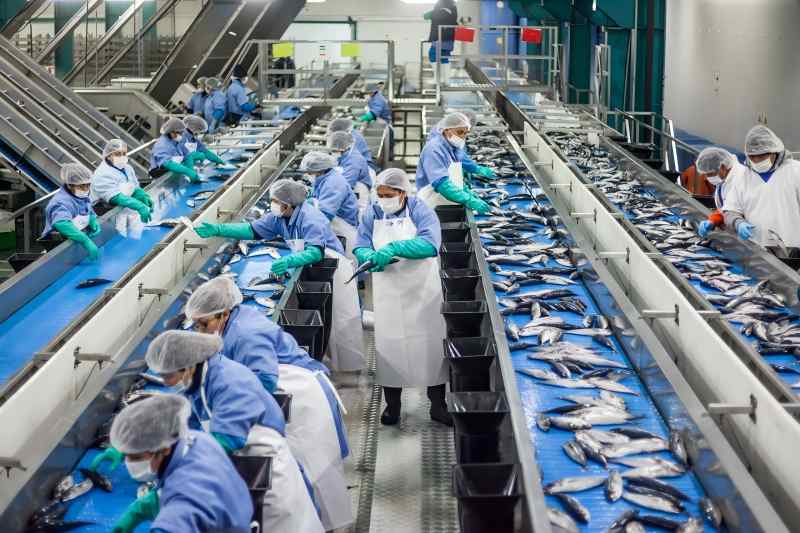
The seafood sector faces pressure on two fronts: rising global demand and shrinking wild stocks. Innovation now decides which producers thrive and which fall behind. Any seafood industry leader today builds its reputation on cleaner sourcing, smarter farming, and full traceability rather than volume alone.
Thailand sits at the front of this shift. The country ranks among the world’s largest seafood processors, handling huge volumes of tuna and shrimp each year. To hold its place as a seafood industry leader, Thailand has invested in sustainable methods, tighter regulation, and technology that tracks each catch from boat to buyer.
The change comes from buyers as much as producers. Retailers in the EU, Japan, and North America now demand proof of responsible sourcing. A seafood industry leader meets these rules with certifications, data, and transparent supply lines. Here is how innovation drives the sector forward.
Smarter Fishing Practices
Overfishing once threatened many tuna grounds. New management tools help reverse that trend. Satellite tracking and electronic catch logs record where and how fish are caught, which cuts illegal activity and protects stocks.
Selective gear reduces bycatch, so fewer unwanted species end up in nets. Quota systems backed by real data let fisheries recover while keeping supply steady. These steps protect both the ocean and long-term business.
Aquaculture Technology
Farmed seafood now supplies a large share of global demand, and the technology behind it keeps improving.
- Recirculating systems reuse and filter water, which cuts waste and disease risk.
- Sensor monitoring tracks oxygen, temperature, and feeding in real time.
- Better feed lowers reliance on wild-caught fish meal and improves growth rates.
Thai shrimp farms have adopted many of these tools to raise output while reducing environmental load. Cleaner water and controlled conditions mean healthier stock and fewer losses.
Waste Reduction
Modern processing puts more of each fish to use. Trimmings and offcuts that once went to landfill now become fish meal, fish oil, and pet food ingredients.
This approach lifts revenue per fish and eases pressure on whole-fish catches. It also gives producers a clearer environmental record, which matters in export markets with strict sourcing rules.
Certifications and Traceability
Certification has become the language of trust. Labels such as MSC and ASC confirm that fish came from well-managed sources. Food safety standards like HACCP and GMP point to careful processing.
Digital traceability ties it all together. Batch-level tracking follows product from catch to container, so buyers can verify origin in seconds. This reduces risk and meets the documentation demands of careful importers.
Thailand’s Role in Driving Change
Thailand has reformed its fishing rules in recent years, tightening controls on labor and catch reporting. Processing plants now run modern freezing lines and follow recognized standards. This combination of scale, regulation, and technology keeps the country central to global supply.
Sustainable seafood depends on innovation at every stage: cleaner fishing, smarter farming, less waste, and verified sourcing. Thailand shows how a large exporter can adapt to meet rising standards. When sourcing, confirm certifications, check farming methods, and ask for traceability data before you commit.